

Investing in your website is an extremely important aspect of growing a successful business, and not just because it’s where you’re most likely to make a sale (in 2025, over 23% of all global purchases were made online). Research consistently shows that brand websites play crucial roles in product discovery and research processes.
In other words, your website can be an exceptionally valuable sales asset. But for it to do its job — and do it well — you have to do some optimization. After all, web users form brand impressions practically the moment they land on a website. And these impressions significantly determine their chances of converting into customers. Furthermore, research shows that the quality of an online browsing experience also influences brand perception and purchase intent. It’s easy to see that smart, sales-oriented web design comes down to much more than mere conversion optimization, aesthetic appeal, or enjoyable UX.
So, how can you turn your website into your most valuable sales asset? What specific design and conversion-optimization tactics do you need to implement for maximum ROI?
This guide explores some of the best ways to elevate your site’s ability to attract, engage, and convert customers, along with a few examples of what this can look like across a variety of industries.
Create an Aesthetic, Value-Focused Online Presence
When optimizing your online presence for business growth, there are two common consumer behaviors you have to be aware of.
On the one hand, it’s crucial to comprehend that around 60% of web users prefer interacting with content they find aesthetically appealing. On the other hand, keep in mind that most consumers — 81%, to be precise — are going to ignore marketing messages that don’t seem relevant to their immediate goals or position in the buyer’s journey.
In other words, if you want your website to be a sales asset that drives results — regardless of the exact outcomes you’re after — it has to be aesthetically pleasing and effective at communicating value.
The first of these prerequisites can seem arbitrary. But, in general, a high-converting website will follow basic design principles: strategically using visuals to direct visitor attention, employing negative space to emphasize high-value elements, and positioning conversion-inspiring copy in the first screenful of the homepage. Moreover, it will communicate customer-centric value in a way that feels relevant and accessible, prioritizing achievable outcomes enabled by the brand’s solutions.
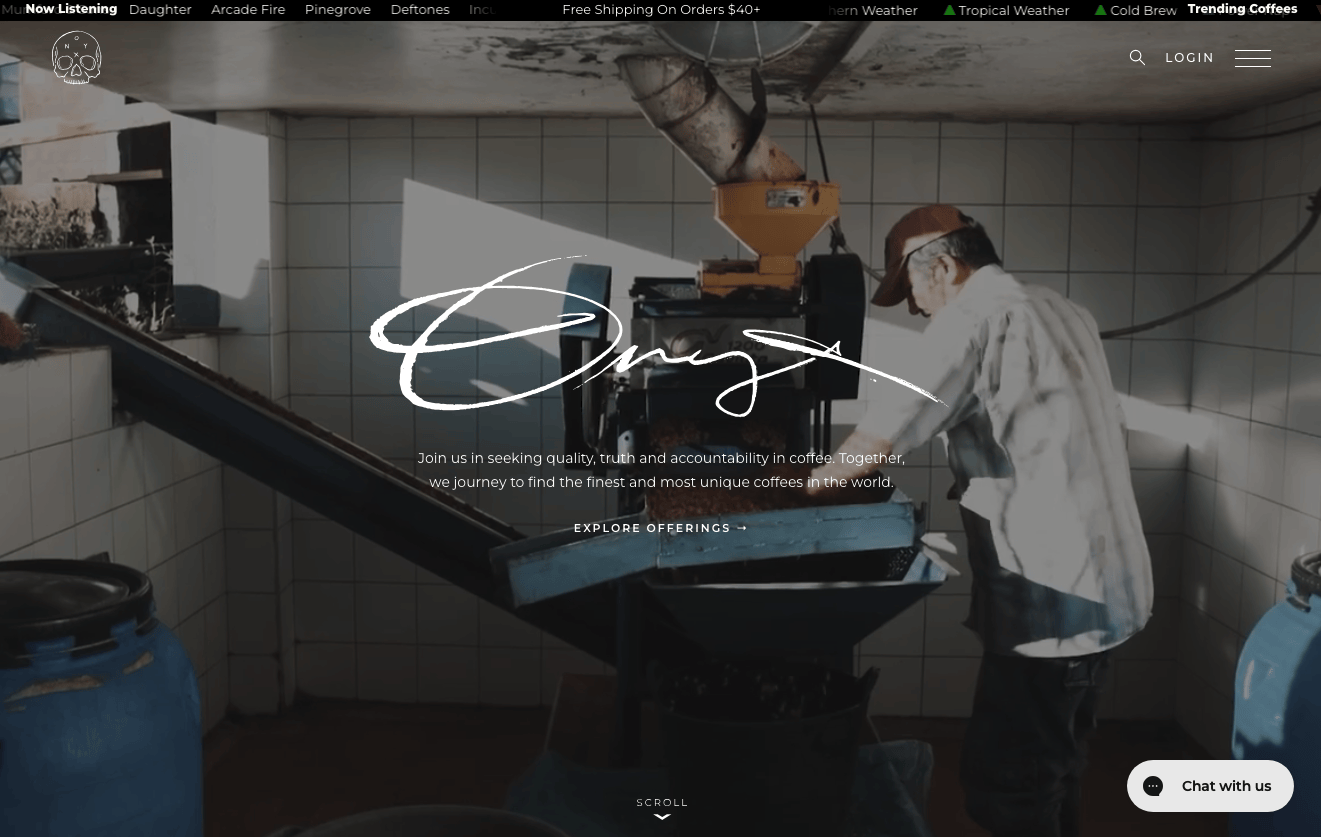
The Onyx Coffee Lab homepage, for instance, is an exceptional example of how a well-designed website can be a sales asset. The business’ web presence combines two elements: attractive visuals and a sales proposition message that heavily emphasizes the brand’s mission and values. These two components work synergistically, creating a first impression that intrigues, engages, and effectively draws web visitors into the brand’s sales funnel, which is precisely what a conversion-optimized homepage is supposed to do.
Position Your Brand as a Top Choice in Your Niche (or for Your Prospects’ Specific Needs)
With a practically unlimited choice of products and service providers available, consumers now have to evaluate multiple options before making a purchase decision. Yet, perhaps somewhat illogically, the increase in availability did not simplify the decision-making process.
Instead, research suggests that, in 2026, shoppers are doing more pre-purchase research than ever. Even more, their priorities when choosing solutions to their needs have shifted from just including quality and affordability to brand credibility as well.
In fact, if you look at the most important factors allowing businesses to grow, you’ll discover that it’s a combination of trust and relevance.
So, when exploring strategies to make your website a powerful sales tool, you’ll want to find effective ways to position your brand as a top choice in your niche — paying extra attention to aligning your offer with your ideal customers’ wants, needs, aspirations, and priorities.
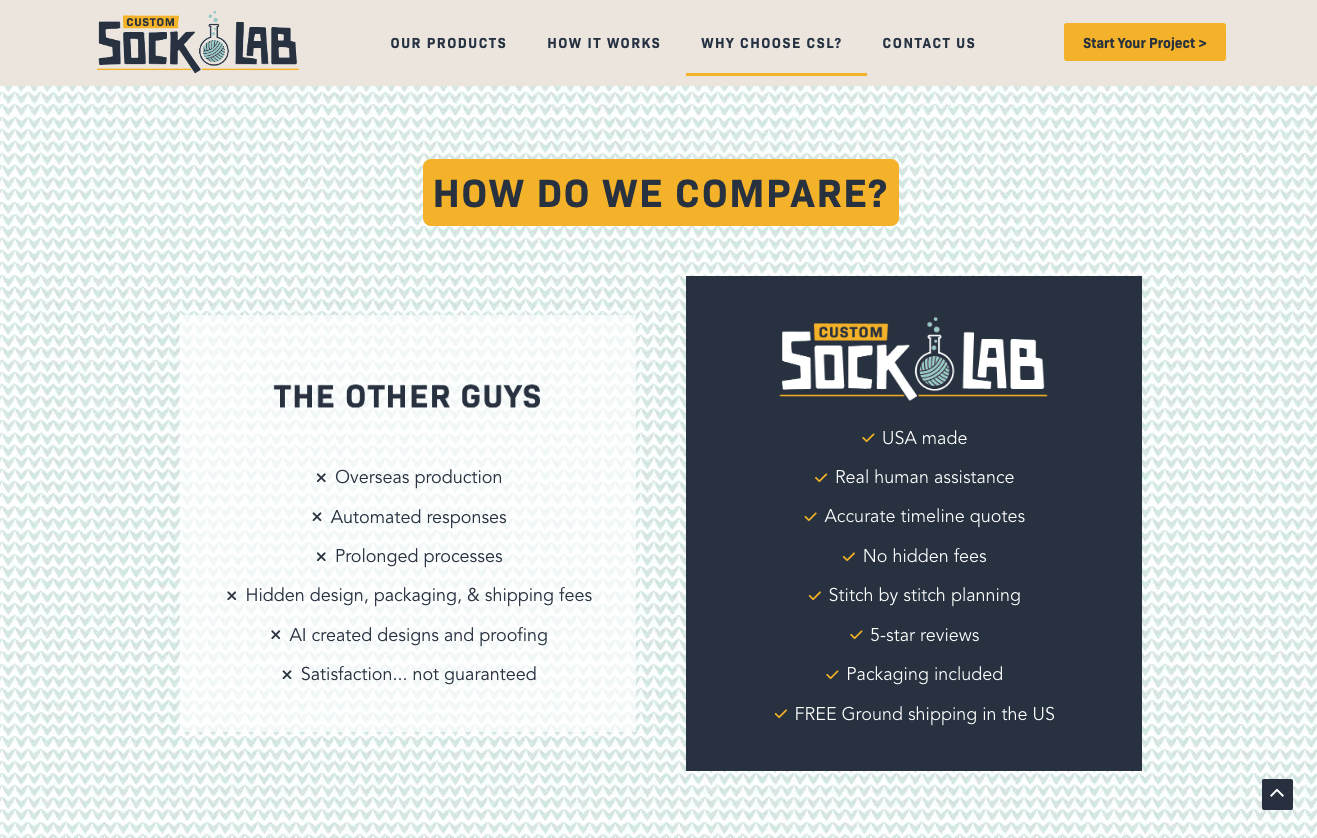
Check out how Custom Sock Lab does it on the CSL Difference landing page. Here, the brand communicates the unique factors that differentiate it from alternatives in its niche. These include multiple customer benefits and value propositions. For starters, all of Custom Sock Lab’s products are made in the USA. Secondly, the service comes with genuine human-powered customer care. Furthermore, all provided timeline quotes are realistic and accurate; buyers don’t have to fear hidden fees; and each purchase includes packaging and free ground shipping in the US.
Facilitate Seamless Product Discovery
When interacting with branded websites — especially ecommerce — consumers behave in a specific way. So, to turn your website into a sales asset, your online presence has to align with these behaviors. That is, it should aim to deliver exceptionally smooth browsing and shopping experiences to all visitors — regardless of their position in the sales funnel.
This is particularly true when engaging leads in the awareness and evaluation stages of the buyer’s journey, as creating a preference for your offer at these points significantly increases their chances of choosing your solutions over competitors’ alternatives. However, to do this, you’ll need to comprehend how shoppers find and choose solutions to their pain points.
According to research, approximately one-quarter of shoppers use branded websites for product discovery (a behavior that’s undeniably a consequence of the immense popularity of digital marketplaces like Amazon). So, if you want to make it easy for them to find your solutions (and perceive them as relevant), optimize your website for seamless product discovery.
The best method to do this is with a powerful site search. According to data, 69% of ecommerce web visitors go straight to the search bar (though 80% still report having an unsatisfying experience). However, to ensure that this UI element contributes to conversions, it must actively ease consumers’ movement through the sales cycle.
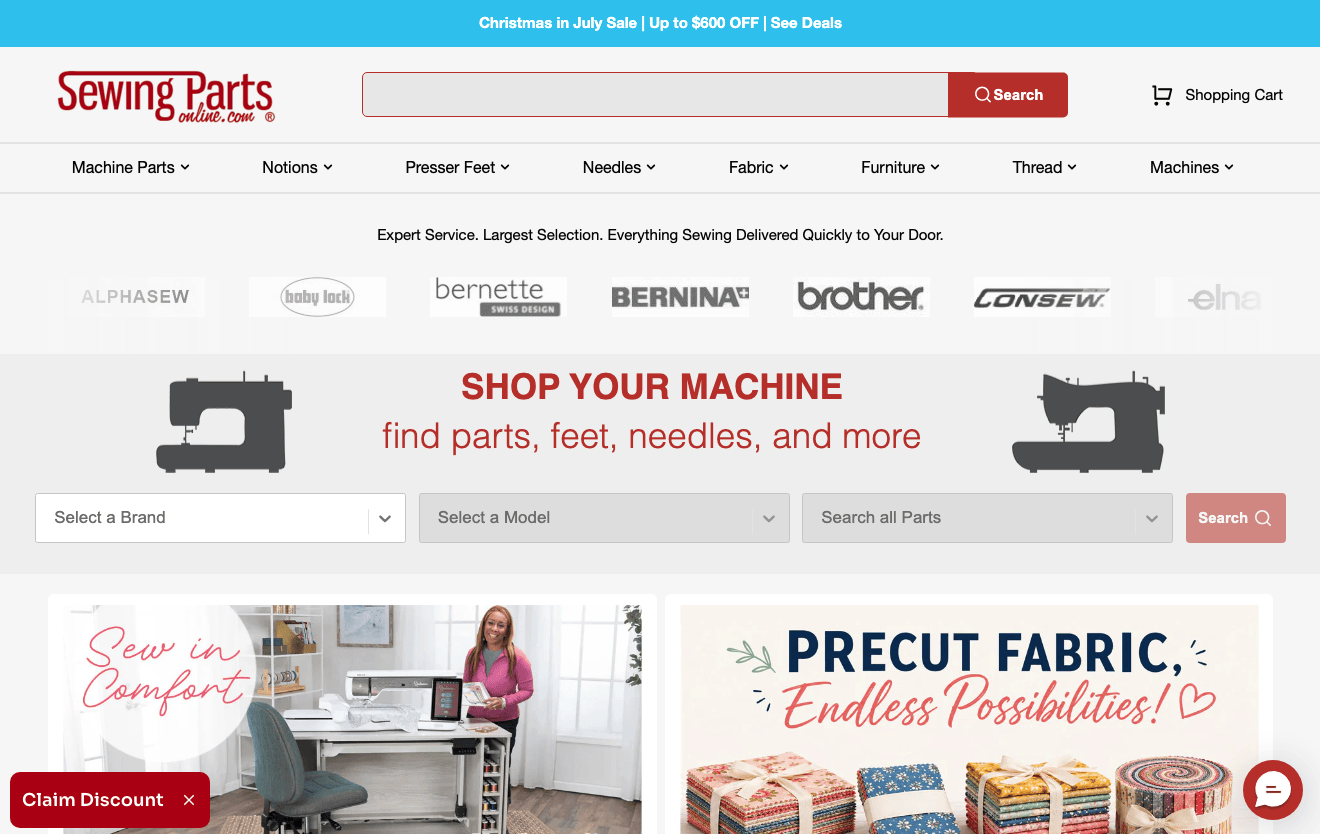
If you check out Sewing Parts Online, for instance, you’ll notice that this business achieves this goal through the use of drop-down filters. By encouraging web visitors to specify the brand and type of spare parts they need, Sewing Parts Online manages to present them with hyper-relevant search results that significantly ease product selection and evaluation and effectively shorten the sales cycle.
Remove Common Conversion Obstacles
When navigating the buyer’s journey, it’s natural for consumers to have fears and doubts that may obstruct conversion. After all, committing to a purchase can be risky — particularly when it comes to big-ticket items.
So, if you want to increase conversions and turn your website into your most valuable sales asset, you need to identify and remove the most common conversion obstacles your ideal customers have.
Naturally, there are multiple methods to break down conversion barriers. However, to ensure the highest possible sales outcomes, it’s crucial to complete this task as early as possible in your web visitors’ buyer’s journey.
Ultimately, consumers who are confident in a product’s quality, a brand’s expertise, or an online store’s safety aren’t just more likely to complete a purchase. Much more importantly for your sales outcomes, they’re also more likely to engage with on-site content, genuinely consider products, and interact with off-site resources while navigating the decision-making process.
With this in mind, it’s crucial that when removing common conversion obstacles, you don’t wait for the point of decision to build trust. Instead, you have to do this proactively at every stage of the sales funnel. Progressively convince prospects to recognize your brand’s ability to solve their needs and deliver on its promises.
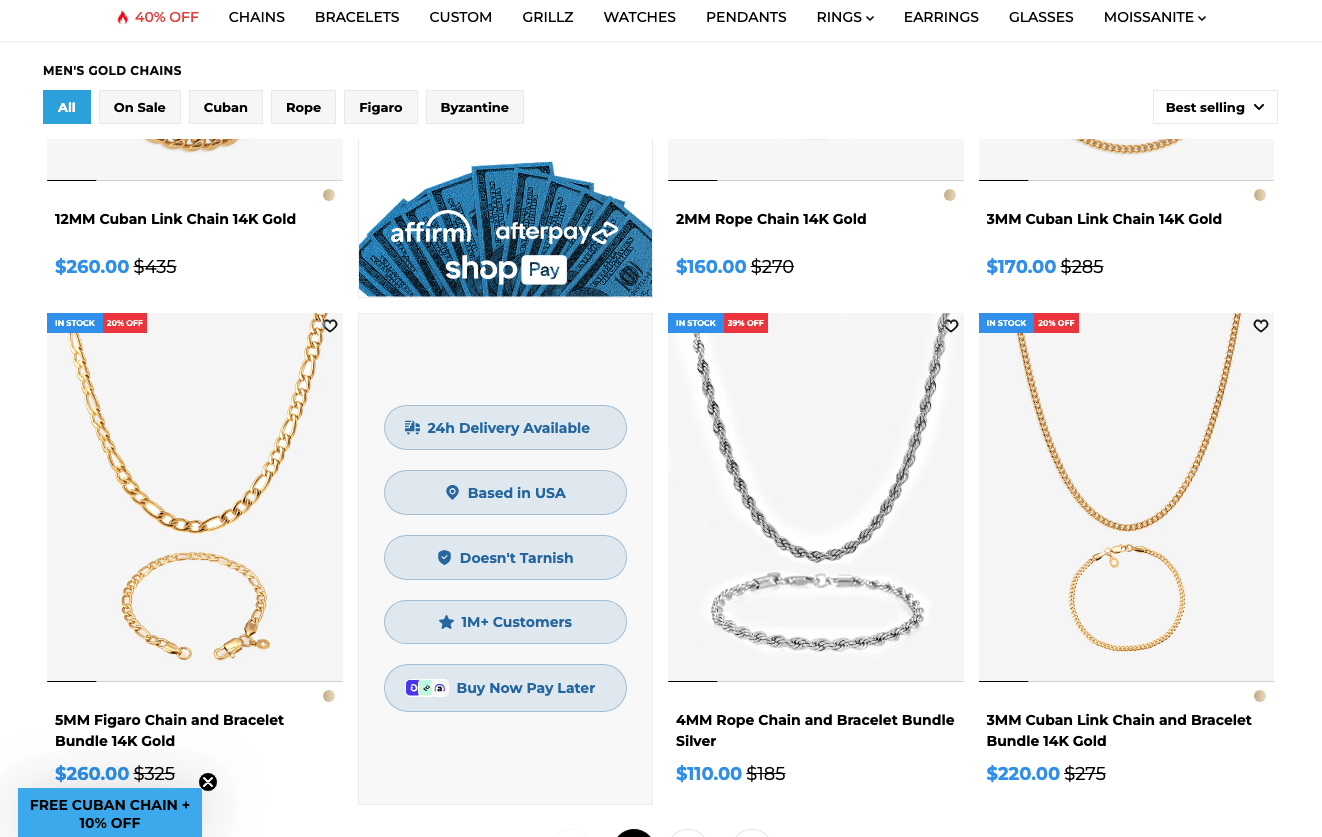
Showing off social proof and trust signals in the early phases of the buyer’s journey is a marvelous tactic for accomplishing this goal. Or, you could do something along the lines of IceCartel. This brand emphasizes buyer safety, customer satisfaction, and convenience-based CX promises throughout its product collection pages, like this one for men’s gold chains. Why? Because it knows that web visitors aren’t just evaluating the products they want to buy. They’re also making judgments about IceCartel’s ability to deliver a satisfactory shopping experience.
Highlighting social proof, guarantees, payment security, and flexibility could be the thing that secures a conversion at the end of the day — especially by addressing these customer concerns early on (before they’ve escalated into becoming conversion obstacles).
Provide Quick Answers to Your Prospects’ Questions and Pain Points
Although brand trust and credibility are essential for directing consumer decisions within the typical buyer’s journey, it’s crucial to understand that other factors also influence shoppers’ willingness to convert.
According to research by Morgan Stanley, 77% of consumers seek convenience (speed, accessibility, comfort, and availability) while making buying decisions. And they’re prepared to pay 5% more, on average, for brands that can deliver on this front.
So, when looking for opportunities to turn your website into a powerful sales asset, it’s not a bad idea to consider how it could help you serve your audience with more immediate, unique value.
For instance, does your website visitors’ likelihood of converting into customers depend on their ability to get quick, relevant, and specific answers to their questions and unique pain points? In that case, one of the best methods to encourage movement toward the bottom stages of your sales funnel is to ensure you answer those questions early in the browsing journey.
In doing so, your leads won’t just verify that your business has what they need. Much more importantly, this web design strategy can help you deliver key purchase-influencing information early on in the buyer’s journey, before potential customers have had a chance to drop out of your sales funnel.
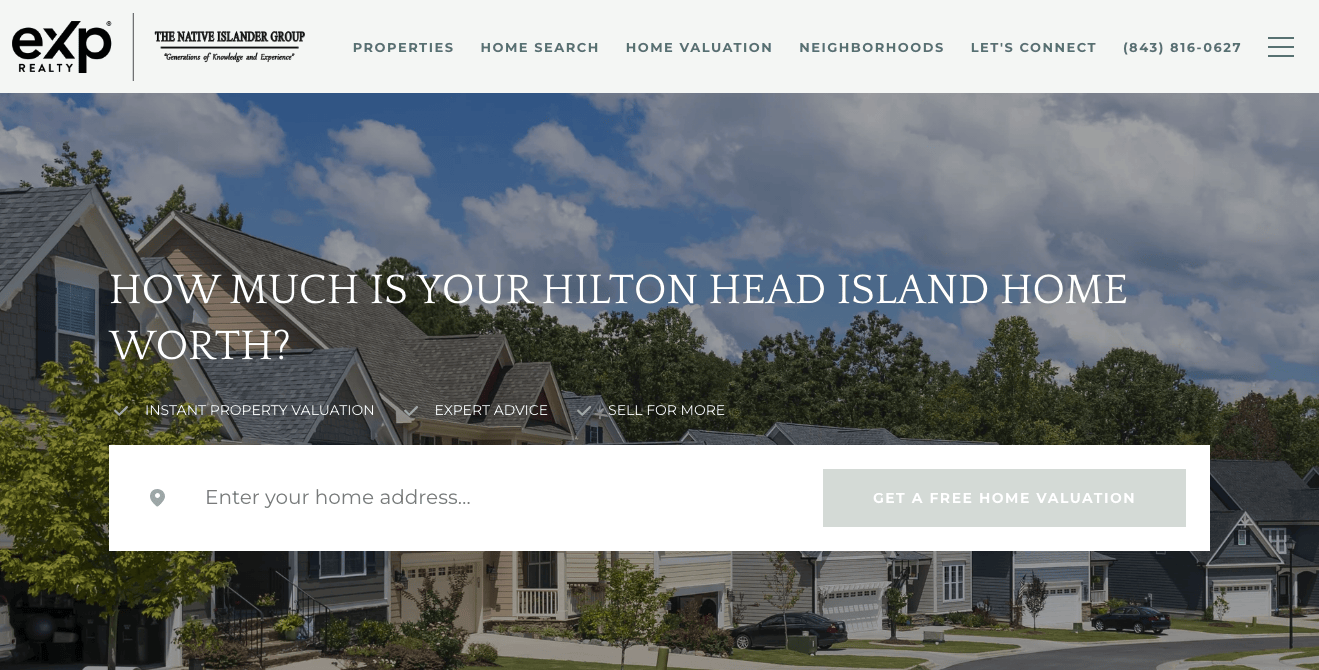
Check out how John Campbell does this on the homepage and location specific pages, like this one for Sun City Hilton Head. As a real estate agent specializing in luxury properties in a specific area, John Campbell must instantly communicate that he understands what his clients need. For buyers, this means presenting them with multiple attractive options as soon as they’re ready to browse. As for sellers, he needs to give them a clear and direct answer about how much they can expect to earn — a piece of information that will inevitably determine their willingness to proceed with the sales process and their likelihood of perceiving John Campbell as the right agent to take their property to market.
Make Engaging Content a Key Driver of Conversions on Your Site
Even though website design and copy play essential roles in driving sales, it’s crucial to comprehend that they’re not what most people are searching for when they first land on your site.
Instead, consider the fact that 60% of internet users go online to find information. From this alone, it’s easy to conclude that a large portion of your web visitors may discover your brand (and products) via your blog content.
With this in mind, your content marketing strategy has to align with and supplement your sales tactics. It may become the key element attracting leads into your sales funnel (and guiding them through it).
Invest in and distribute high-value resources that meet your ideal customers’ needs. And more importantly, optimize each post to encourage movement through your funnel.
High-quality, engaging content can build brand and product awareness. It can elevate product understanding and purchase intent. And it may even allow your brand to increase customer satisfaction and maximize retention — all equally important elements within a fully effective sales strategy.
To get the most out of the content on your website, it’s essential to also position and promote it in a way that will help visitors extract maximum value out of it — at the exact right moment of their browsing journey.
So, what does this mean when optimizing your website to become a valuable sales asset? Well, one of the primary tactics you should employ is to use blog (or off-site) content to support your target audience.
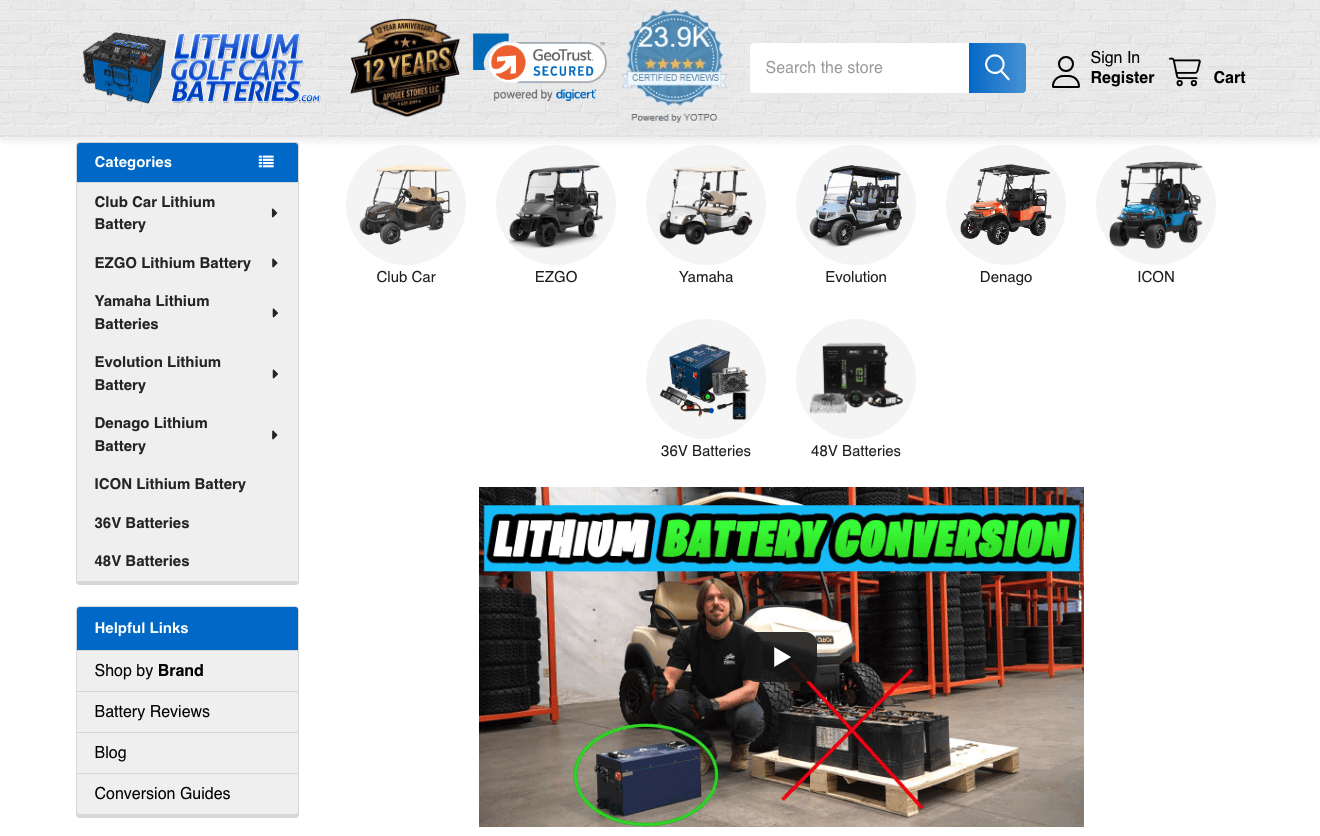
For example, LithiumGolfCartBatteries.com sells a niche product to an audience with a highly specific pain point. But, knowing that the majority of its target audience isn’t sufficiently skilled to ensure a successful golf cart lithium conversion, this business created a series of resources aiming to educate potential clients and guide them through the process. By giving these resources a prominent spot on its homepage and using an engaging video format, Lithium Golf Cart Batteries effectively transforms a piece of content into a driver of on-site conversions.
Final Thoughts
Your website’s role in your sales funnel is undeniably multifaceted.
Your site is much more than a marketplace where your prospects will come to complete transactions. It’s also a product evaluation resource, a place where potential leads will go to find answers to their questions, and a tool your target audience may use to discover the solutions that best fit their needs.
So, turning your website into a sales asset isn’t just about optimizing for conversions with attention-grabbing, trust-building tactics. Instead, you need to explore opportunities to use your site as a tool that actively guides your leads through the buyer’s journey. That way, it won’t just be there once consumers are ready to convert. It will help you lead your ideal customers toward the point of decision, making them far more likely to become clients.